
Mortgage insurance (MI) protects lenders from defaults, especially for loans exceeding 80% loan-to-value (LTV). Types include government-backed programs and private insurance (PMI), with costs varying based on down payment size and LTV ratio. Shop around for rates to balance savings against costs. Key steps: comparison shop, apply early, understand policy terms. Proactive selection facilitates homeownership while mitigating financial risks.
In the intricate landscape of homeownership, mortgage insurance stands as a vital safety net for first-time buyers navigating today’s competitive market. As the real estate industry evolves, understanding this component is crucial to making informed decisions. However, many prospective homeowners find themselves entangled in complex terminology and policies, hindering their ability to grasp its significance. This detailed report aims to demystify mortgage insurance, offering a comprehensive guide tailored for first-time buyers. We will dissect its purpose, dispel common myths, and provide practical insights to empower readers in their journey towards homeownership.
Understanding Mortgage Insurance: Basics for First-Time Buyers
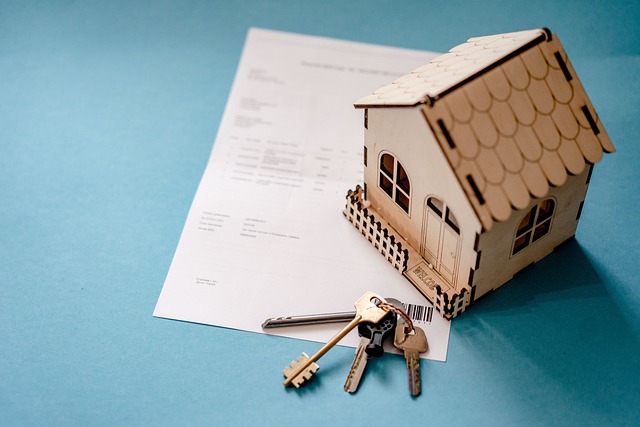
Mortgage insurance, often a topic of confusion for first-time buyers, is designed to protect lenders against losses if a borrower defaults on their loan. This type of insurance is particularly important in today’s housing market, where down payments may be lower than traditional requirements. Understanding mortgage insurance involves grasping two key components: government-backed programs and private insurance, each with its own nuances and benefits.
For first-time buyers, the most common form is Mortgage Insurance (MI), often required when a down payment is less than 20% of the property’s purchase price. This insurance protects lenders from significant financial loss in case of foreclosure. The cost of MI is typically rolled into the mortgage as an additional monthly payment and can vary based on loan-to-value ratios, credit scores, and the type of coverage chosen. A good rule of thumb for buyers is to factor in approximately 0.5% to 1% of the loan amount annually for MI, though specific rates differ among lenders. Comparing mortgage insurance lender options is crucial; rates can vary widely, offering potential savings over the life of the loan.
Private mortgage insurance (PMI) is one such option available through various lenders. PMI companies assess risks and set rates based on factors like borrower credit history, property value, and location. While initially costly, PMI can be dropped once a borrower achieves a 20% equity stake in their home—typically after paying down the principal for several years. This transition point is an important milestone for homeowners, demonstrating financial responsibility and allowing them to manage their mortgage without additional insurance protection.
When navigating the process of buying a first home, comparing different lenders and understanding the associated costs of mortgage insurance is vital. It’s not just about finding the lowest rate; it involves assessing the entire package, including the level of coverage and any associated fees. This proactive approach ensures borrowers make informed decisions, aligning with their financial goals and long-term housing strategies.
Why It's Necessary: Risks and Benefits Explained

Mortgage insurance is a crucial component of the homeownership journey for first-time buyers, offering both protections and advantages. When securing a mortgage, lenders typically require this insurance as a safeguard against potential defaults. The primary reason for its necessity lies in mitigating risks associated with lending such substantial financial sums. Mortgage insurance acts as a safety net, covering losses if a borrower defaults on their loan payments, ensuring the lender’s investment remains secure.
For first-time buyers, one of the key benefits is access to more favorable mortgage terms. Lenders often offer lower interest rates and flexible down payment requirements when mortgage insurance is in place. This can be particularly advantageous for those with limited savings or a lower credit score, making homeownership more attainable. For instance, according to recent data, first-time homebuyers who opt for mortgage insurance can expect to save thousands of dollars over the life of their loan compared to those who don’t have this protection.
However, it’s essential to understand that mortgage insurance comes at a cost. Borrowers typically pay a premium, which is rolled into their monthly mortgage payment. The amount varies based on several factors, including the size of the down payment and the loan-to-value ratio. A thorough comparison between different lenders offering mortgage insurance can help buyers secure the best rates. By shopping around and considering various options, first-time buyers can find a balance between potential savings and the added cost of insurance, ensuring they make an informed decision tailored to their financial capabilities.
Types of Mortgage Insurance Policies: Options for Protection

Mortgage insurance is a safety net designed to protect lenders against losses if a borrower defaults on their mortgage. For first-time homebuyers, understanding these policies is crucial as it can significantly impact their financial journey. The market offers various types of mortgage insurance, each serving distinct purposes and catering to different buyer profiles. This section delves into the options available, providing an expert’s perspective on choosing the right coverage.
One common type is loan-to-value (LTV) based insurance, which calculates the risk by comparing the loan amount to the property’s value. For instance, if a buyer purchases a home with a $200,000 mortgage and the appraised value is $250,000, the LTV ratio is 80%. Lenders may require insurance for ratios above 80%, protecting them in case of foreclosure. Another option is credit-based insurance, focusing on the borrower’s creditworthiness. This type assesses the risk associated with an individual’s credit history and financial behavior, offering a more tailored protection approach. When comparing mortgage insurance lenders, buyers should consider not only the cost but also the flexibility and coverage options provided.
Additionally, there’s private mortgage insurance (PMI) vs. government-backed insurance. PMI is typically required for conventional loans when the down payment is less than 20%. It protects lenders against losses if the borrower defaults. Government-backed programs like FHA or VA loans offer their own insurance schemes, often with more lenient requirements but potentially higher costs for borrowers. For first-timers, understanding these nuances and shopping around for the best rates from various mortgage insurers can save them thousands over time. Expert advice suggests evaluating personal financial health, loan amount, and long-term goals to select the most suitable coverage.
Navigating the Process: How to Choose and Apply for Coverage

Navigating the process of obtaining mortgage insurance for first-time buyers involves several crucial steps. Firstly, understanding what mortgage insurance is essential. It’s a safety net for lenders, protecting them in case you default on your mortgage. For borrowers, it’s an added cost but can be required for loans exceeding 80% of a property’s value. The key lies in choosing the right type and provider.
When selecting coverage, compare different mortgage insurance lenders to find the best fit. This involves evaluating their terms, rates, and reputation. For instance, private mortgage insurance (PMI) is common for conventional loans, while Federal Housing Administration (FHA) insurance is an option for FHA-backed mortgages. Each has varying requirements and costs, so a thorough comparison is vital. Online tools can assist in this process by offering side-by-side lender comparisons, making it easier to identify the most competitive rates.
Applying for mortgage insurance involves submitting detailed application information, including financial statements and property details. Lenders will assess your creditworthiness, debt-to-income ratio, and the value of the property. It’s advisable to start this process early in your home-buying journey to allow time for any necessary corrections to your credit report or financial situation. Once approved, ensure you understand the policy terms and conditions, including when coverage may be terminated or reduced as your loan balance decreases.
In today’s market, with property prices rising, many first-time buyers find themselves in need of mortgage insurance. By taking a proactive approach to understanding and selecting the right coverage, borrowers can mitigate potential financial risks while working towards building equity in their new homes. This strategic decision can help ensure a smoother journey into homeownership.