
Mortgage insurance (MI) protects lenders from defaults by buyers with small down payments (<20%). Types include government-backed programs (e.g., FHA) and private PMI, with varying costs based on credit score and loan amount. Comparing MI providers saves 0.5%-1.5% annually. Strategic selection aligns financial goals with cost management throughout homeownership.
Navigating the real estate market as a first-time buyer can be an exciting yet daunting endeavor. One aspect often overlooked but deserving of careful consideration is mortgage insurance—a safety net designed to protect lenders in case of borrower default, which can significantly impact your financial journey. This article provides a comprehensive breakdown and clear analysis of mortgage insurance, demystifying its complexities for aspiring homeowners. By understanding this crucial component, you’ll be better equipped to make informed decisions, ensuring a smoother path towards achieving the American dream of homeownership.
Understanding Mortgage Insurance: Basics for First-Time Buyers
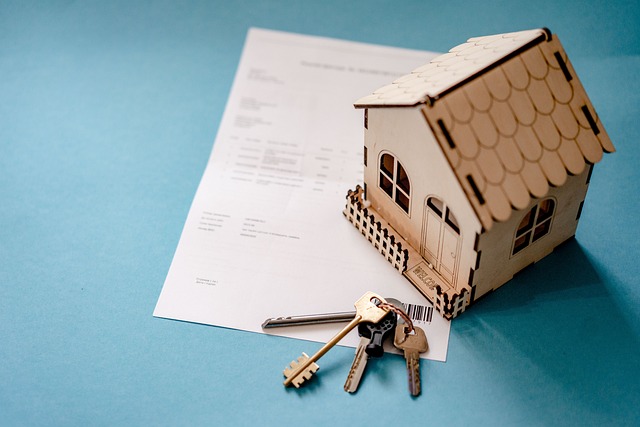
Mortgage insurance is a safety net for first-time homebuyers, designed to protect lenders against potential losses if borrowers default on their loans. This type of insurance is particularly relevant for those putting down a smaller down payment, as it ensures that the lender’s investment is secured. For instance, in the US, private mortgage insurance (PMI) is commonly required when a buyer puts down less than 20% of the purchase price. While it adds to the overall cost of homeownership, understanding mortgage insurance can help first-time buyers make informed decisions and navigate this aspect of the lending process with confidence.
The basics involve recognizing that mortgage insurance is typically separated into two types: government-backed and private. The former, often referred to as Federal Housing Administration (FHA) insurance, is offered by government agencies and has specific eligibility criteria and terms. Private mortgage insurance, on the other hand, is provided by private companies and can be more flexible in its requirements but usually costs more. When comparing lenders, it’s essential to consider not only interest rates but also the cost of mortgage insurance, as this can significantly impact the overall price of the loan. For example, a $200,000 mortgage with 5% down might have a PMI rate of 0.8% annually, adding around $167 per month to the borrower’s expenses.
First-time buyers should also be aware that mortgage insurance is usually paid in one of two ways: upfront at closing or as an ongoing monthly payment throughout the loan term. Upfront costs can often be rolled into the mortgage, but it’s crucial to factor these expenses into your budget. If you anticipate selling the property before the end of the loan term, compare lenders offering loans with lower or no PMI requirements, as this could save you thousands in the long run. Regularly reviewing and comparing your mortgage options is key, especially when market conditions change, as rates for both mortgages and mortgage insurance can fluctuate. This proactive approach ensures that you secure the best terms possible to make homeownership a sustainable and rewarding experience.
Why Mortgage Insurance is Crucial for Low Down Payments

For first-time homebuyers, securing a mortgage often involves making a lower down payment than experienced buyers. This presents a unique challenge: many lenders require mortgage insurance for loans with down payments under 20% of the purchase price. While it might seem like an additional financial burden, mortgage insurance is crucial for these borrowers. It offers protection to the lender in case of default and provides peace of mind for first-time buyers navigating this significant financial step.
When you opt for a loan with a low down payment, mortgage insurance acts as a safety net for the lender. Traditional home loans require 20% or more down to eliminate mortgage insurance, but first-time buyers often struggle to reach this threshold. In such cases, private mortgage insurance (PMI) becomes essential. PMI protects the lender from potential losses if you’re unable to repay the loan. It’s a small premium paid during the life of your mortgage, typically added to your monthly payment. This is particularly important as it mitigates risk for lenders who extend financing to borrowers with limited financial reserves.
A mortgage insurance lender comparison is a strategic step for first-time buyers. With various providers offering different terms and rates, understanding the market becomes vital. Shop around to find the best rate, keeping in mind that a lower premium could save you hundreds of dollars over the life of your loan. For instance, according to recent data, average PMI costs range from 0.5% to 1.5% of the loan amount annually. By comparing lenders and understanding these variations, buyers can make informed decisions, balancing their budget with the necessary protection offered by mortgage insurance.
Types of Mortgage Insurance: Options Explained

Mortgage insurance is a safety net for first-time homebuyers, designed to protect lenders against potential losses if borrowers default on their loans. It plays a crucial role in making homeownership accessible by mitigating risk and enabling more flexible lending criteria. Understanding the different types of mortgage insurance available offers buyers clarity when navigating this essential component of their financing options.
The two primary types are government-backed and private mortgage insurance (PMI). Government programs, such as Fannie Mae and Freddie Mac’s HomeReady or FHA loans, offer low-down payment options with corresponding mortgage insurance premiums. These programs cater to first-time buyers and those with less-than-perfect credit, ensuring wider access to homeownership. On the other hand, private mortgage insurance is typically required for conventional loans when borrowers put down a smaller than 20% down payment. PMI protects lenders from the risk of loss if a borrower defaults, but it adds an extra cost to monthly payments.
When comparing mortgage insurance lenders, borrowers should consider not only the upfront costs associated with different policies but also long-term savings and flexibility. Some lenders may offer more favorable rates or terms, especially for those with higher credit scores and substantial down payments. Shopping around and understanding the market can help buyers find a mortgage insurance solution that aligns with their financial goals while keeping costs manageable. This strategic approach ensures first-time homebuyers make informed decisions regarding this integral aspect of their homeownership journey.
Navigating Mortgage Insurance Costs and Benefits for Beginners

Navigating mortgage insurance costs and benefits is a crucial step for first-time homebuyers. Mortgage insurance, often required by lenders when borrowers put down less than 20% on a home, protects the lender against potential losses if you default on your loan. While it adds to your overall housing costs, understanding its advantages can help make this expense more palatable.
One of the primary benefits of mortgage insurance is that it allows first-time buyers to enter the housing market with smaller down payments. Typically, conventional loans require a 5% or 10% down payment, while government-backed loans like FHA loans often only require as little as 3.5%. However, this low initial investment comes at a cost—the mortgage insurance premium (MIP). MIP rates vary based on your credit score, loan amount, and loan type, averaging between 0.5% to 1.75% of the loan balance annually. For instance, a $200,000 mortgage with a 3.5% down payment could result in an annual MIP cost of approximately $900 to $4,800, depending on your specific circumstances.
To optimize your experience with mortgage insurance, it’s essential to compare lenders and their associated insurance rates. A difference of even a few hundred dollars per year can translate into significant savings over the life of your loan. Shopping around for the best deal not only reduces your out-of-pocket expenses but also demonstrates to lenders that you are a responsible borrower. Remember, mortgage insurance lender comparison is a strategic step in securing the most favorable terms for your financial situation.