
Mortgage insurance is crucial for first-time homebuyers, protecting lenders from defaults and enabling access to financing with lower down payments. Costs vary based on loan size, credit score, and type (PMI or LGI), averaging 0.5% to 1% of the loan value. Shopping around for lenders and maintaining strong credit can reduce rates. As financial situations improve, mortgage insurance can be canceled when loan-to-value ratios decrease below 80%.
Navigating the homeownership journey can be a complex endeavor, especially for first-time buyers grappling with various financial considerations. Among these, securing a mortgage is a significant step, but it often comes with hidden complexities. This article delves into the critical aspect of mortgage insurance, a protective measure that safeguards lenders and offers peace of mind for borrowers. We demystify this essential component, especially relevant for newcomers to the real estate market, providing clear insights to empower informed decisions. By understanding mortgage insurance, first-time buyers can confidently navigate this crucial financial milestone.
Understanding Mortgage Insurance: Basics for First-Time Buyers
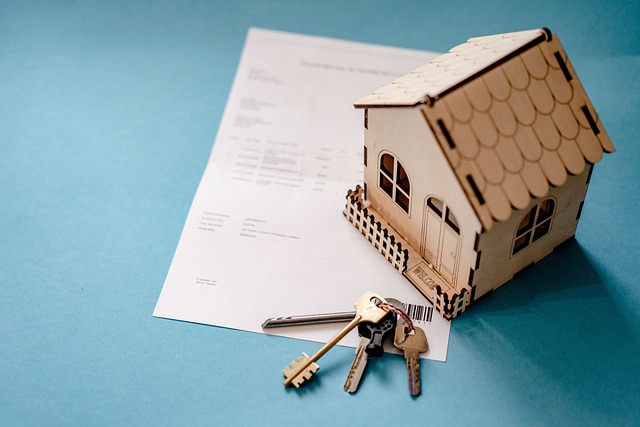
Mortgage insurance is a safety net for first-time homebuyers, shielding them from potential financial disasters. It’s designed to protect lenders against loss if borrowers default on their loans. For buyers, understanding this type of insurance is crucial as it can significantly impact their homeownership journey. The basics revolve around recognizing that mortgage insurance isn’t just a one-size-fits-all policy; it varies based on factors like loan size, down payment, and credit score.
For instance, private mortgage insurance (PMI) is commonly required for loans exceeding 80% of a home’s value. This is because the lender bears a higher risk when the down payment is lower. First-time buyers can expect to pay an additional cost for PMI, which is typically a small percentage of their loan amount annually. It’s important to note that unlike other types of insurance policies, mortgage insurance doesn’t protect the buyer directly but safeguards the lender.
When considering mortgage insurance lender comparison, it’s beneficial to explore options available in the market. Each lender may offer different rates and terms, impacting the overall cost of homeownership. According to recent data, average PMI costs range from 0.5% to 1% annually, varying based on loan-to-value ratios. To optimize their financial situation, buyers should aim for a substantial down payment if possible, as this can reduce or eliminate the need for mortgage insurance altogether. This strategic approach not only saves money but also fosters long-term financial stability in homeownership.
Why Mortgage Insurance is Crucial for Low Down Payment Loans

For first-time homebuyers, securing a mortgage often requires a significant down payment— traditionally 20% of the purchase price. However, making such a large upfront investment isn’t feasible for everyone. This is where mortgage insurance becomes a crucial component for low down payment loans. It provides lenders with protection against default and gives first-time buyers access to financing options they might otherwise not qualify for.
When you put down a smaller down payment, say 5% or 10%, the lender assumes a higher risk. Mortgage insurance acts as a safety net for both the borrower and the lender. It pays off in the event of foreclosure, covering a portion of the loan balance up to a certain limit. This protection allows lenders to approve mortgages with lower down payments, making homeownership more accessible. For instance, according to recent data, nearly 70% of first-time homebuyers in the US put down less than 20%.
When considering mortgage insurance, borrowers should engage in a lender comparison. Different lenders offer various types and rates of mortgage insurance, so shopping around is essential. Some lenders may bundle it into your loan, while others charge it as a separate fee. Understanding these nuances can significantly impact your long-term financial obligations. For example, private mortgage insurance (PMI) rates vary based on credit score, down payment amount, and the property’s location. By carefully comparing lenders, first-time buyers can find the best terms and rates for their specific situation, ensuring a smoother journey into homeownership.
Types of Mortgage Insurance Policies Explained

Mortgage insurance policies are designed to protect lenders against potential losses if a borrower defaults on their mortgage. For first-time homebuyers, understanding these policies is crucial as they can significantly impact the financial burden of homeownership. There are primarily two types of mortgage insurance policies: private mortgage insurance (PMI) and loan guarantee insurance (LGI).
Private Mortgage Insurance (PMI) is commonly required when a borrower puts down less than 20% on a home purchase. PMI protects lenders against the risk of loss if the borrower cannot make their mortgage payments. This type of insurance is usually paid as a one-time fee at closing or built into the monthly mortgage payment. The amount you pay depends on various factors, including your loan-to-value ratio and credit score. According to recent data, PMI costs can range from 0.5% to 2% of the loan amount, with an average fee of around 1%. When comparing mortgage insurance lenders, it’s essential to consider not only the cost but also the ease of cancellation once you’ve built up enough equity in your home. Many borrowers opt to cancel PMI once they reach a 20% equity stake, saving them hundreds of dollars per year.
Loan Guarantee Insurance (LGI), on the other hand, is often offered by government-sponsored enterprises like Fannie Mae or Freddie Mac. Unlike PMI, LGI protects homebuyers and their families from rising interest rates and increasing mortgage payments. This type of insurance is particularly beneficial for first-time buyers who may be sensitive to fluctuations in their financial obligations. The cost of LGI can vary based on the loan amount and term but generally ranges from 0.3% to 1.75% annually. When comparing mortgage insurance lenders, assess the overall terms and conditions, including any restrictions or limitations on when and how you can cancel the policy.
In both cases, shopping around for mortgage insurance lenders is a wise decision. A 1-2% difference in cost can translate to substantial savings over the life of your loan. It’s also important to remember that while mortgage insurance policies offer financial protection, they add an extra layer of expense to homeownership. As you gain equity in your home, consider strategies to cancel or reduce your mortgage insurance coverage to lower your overall housing costs.
Calculating and Budgeting for Additional Costs

Mortgage insurance is a crucial aspect of homeownership for first-time buyers, often overlooked yet significantly impacting financial health. When navigating the housing market, understanding these additional costs is essential for creating a realistic budget and avoiding unforeseen challenges. This is particularly true when comparing mortgage insurance lender options.
One common mistake among first-time buyers is underestimating the overall cost of homeownership. Mortgage insurance, typically required for loans exceeding 80% of a property’s value, can add up to several hundred dollars per month. These costs vary based on loan size, credit score, and the type of mortgage insurance—private mortgage insurance (PMI) or lender-provided protection. For instance, a $200,000 loan with 5% down might require PMI, increasing monthly payments by an average of $100-$200. It’s vital to factor these expenses into your budget during the initial planning phase. A comprehensive analysis should consider not only the base mortgage payment but also property taxes, homeowners insurance, and now, mortgage insurance premiums.
Performing a thorough lender comparison is a strategic move. Different institutions offer varying rates and terms for mortgage insurance. Shopping around allows borrowers to secure more competitive rates, potentially saving thousands over the life of the loan. Online tools can facilitate this process by providing side-by-side comparisons. Additionally, consulting with multiple lenders can offer insights into different scenarios, helping buyers make informed decisions. Remember, while mortgage insurance is an additional expense, it demonstrates your commitment to the investment and can be a valuable safety net for both you and the lender.
How to Improve Your Credit for Better Coverage

One of the significant hurdles for first-time homebuyers is securing a mortgage. Beyond meeting income requirements, lenders often mandate mortgage insurance, especially when the down payment is below 20% of the purchase price. Understanding and improving your credit score can significantly impact the terms of this coverage. Mortgage insurance isn’t a one-size-fits-all policy; comparing different providers and understanding their criteria can help you find the best option for your situation.
A strong credit history demonstrates responsible borrowing practices to lenders, which can result in lower interest rates and better mortgage insurance premiums. Regularly reviewing your credit report from all three major bureaus is a crucial first step. Errors or discrepancies can negatively impact your score; addressing these promptly can start the process of rebuilding your credit. Timely bill payments, maintaining low credit utilization, and demonstrating a history of on-time mortgage payments (if applicable) are all strategies to enhance your creditworthiness.
When considering mortgage insurance, shopping around for lenders is wise. A mortgage insurance lender comparison can reveal varying requirements and cost structures. For instance, some lenders may offer more lenient criteria for first-time buyers or have specific programs catering to this demographic. It’s not just about securing the lowest premium; understanding what’s covered, exclusions, and any additional benefits is vital. This proactive approach ensures you’re making informed decisions, potentially saving money in the long run.
Tips for Cancelling Mortgage Insurance When Suitable

For many first-time homebuyers, mortgage insurance is a necessary step to achieving homeownership. This protection provides lenders with assurance that they will recover their investment if you default on your loan. However, as your financial situation evolves and equity builds, it’s crucial to know when you can cancel mortgage insurance. This decision not only saves you money but also allows for greater financial flexibility.
The first step in determining if you can cancel mortgage insurance is evaluating your loan-to-value ratio (LTV). Traditionally, lenders require mortgage insurance when the LTV exceeds 80%. However, as your down payment increases or home values appreciate, this ratio decreases, potentially allowing you to remove mortgage insurance. For instance, if you initially put down 5% on a $200,000 home and the property value rises by 10%, your LTV drops below 80%. In such cases, it’s appropriate to initiate conversations with your lender about cancelling mortgage insurance.
During discussions with your lender, be prepared to provide updated financial information, including proof of income, assets, and a strong credit history. This demonstrates your ability to handle the loan responsibly without the added protection of mortgage insurance. Additionally, comparing offers from different lenders can be valuable. A mortgage insurance lender comparison can reveal options tailored to your specific situation, helping you find the most cost-effective solution. Remember, while cancelling mortgage insurance can save money, it’s essential to consider the potential impact on your ability to access future credit lines or refi opportunities should financial circumstances change unexpectedly.