
Mortgage insurance protects lenders from losses if first-time homebuyers default on loans with low down payments (<20% property price). Rates vary based on credit score, loan-to-value ratio, and type (private vs. government-backed). Shopping around for lenders can save significant costs. Understanding these factors empowers buyers to make informed decisions tailored to their financial goals.
Navigating the complex world of homeownership can be particularly challenging for first-time buyers. One often-overlooked aspect of this journey is mortgage insurance – a safety net designed to protect lenders against potential defaults, but also an added expense for borrowers. Understanding mortgage insurance is crucial, especially as it can significantly impact the financial burden on first-timers. This article provides a clear breakdown and in-depth analysis of mortgage insurance, offering expert insights to demystify this complex topic and empower informed decision-making for aspiring homeowners.
Understanding Mortgage Insurance: Basics for First-Time Buyers
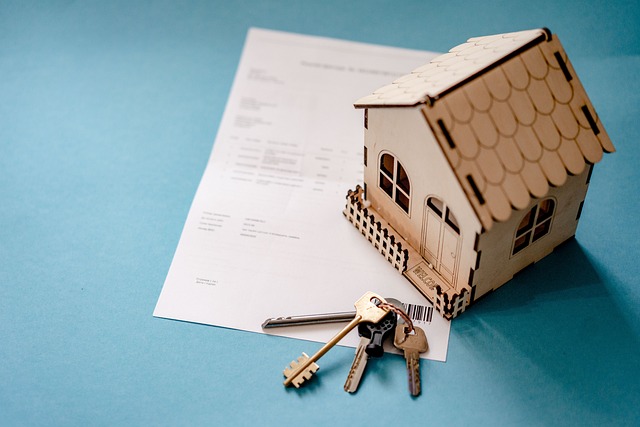
Mortgage insurance is a safety net for first-time homebuyers, protecting them from potential financial loss if they default on their loan. This type of insurance is particularly important for borrowers who don’t have a substantial down payment, as it guarantees the lender against any shortfall if the property is sold or seized. The primary function of mortgage insurance is to mitigate risk for lenders, ensuring they recover a significant portion of the loan amount in case of foreclosure. For first-time buyers, understanding this concept is crucial when navigating the homeownership journey.
When you secure a mortgage, the lender assesses your creditworthiness and may require mortgage insurance if your down payment falls below a certain threshold, typically 20% of the property’s purchase price. The cost of this insurance is usually rolled into your monthly mortgage payments, and rates vary based on factors like your credit score, loan-to-value ratio, and the type of mortgage insurance (private mortgage insurance or PMI vs. government-backed insurance). For instance, according to recent data, the average annual cost of PMI for a $200,000 mortgage with 5% down is approximately $1,389, compared to $674 for a similar loan with a 20% down payment. This highlights the significant difference in insurance costs based on the initial down payment amount.
First-time buyers can reduce the cost of mortgage insurance by improving their credit score and building equity over time. Shopping around for different lenders and comparing their mortgage insurance offerings is also a strategic move, as rates and terms can vary significantly. A 1% reduction in your loan-to-value ratio can lead to substantial savings on PMI, making it a valuable consideration when securing financing. Understanding these dynamics empowers first-time buyers to make informed decisions, ensuring they get the best possible deal that aligns with their financial capabilities and long-term goals.
Why Mortgage Insurance is Crucial for Low Down Payment Purchases

For first-time homebuyers, the journey towards property ownership often involves making a low down payment, leaving them vulnerable to unexpected financial setbacks. This is where mortgage insurance steps in as a crucial safety net, offering protection for lenders and ensuring borrowers can maintain their homes. When purchasing with a small down payment, say less than 20% of the purchase price, lenders typically require mortgage insurance to mitigate risk. This is especially pertinent in today’s market where low-down-payment loans are more accessible but also come with increased financial exposure for the lender.
Mortgage insurance provides coverage for the lender if the borrower defaults on their loan. It acts as a safety mechanism, protecting them from potential losses. In the event of foreclosure, the insurance company steps in to cover the outstanding balance of the mortgage. This is particularly vital for first-time buyers as they may not have substantial savings or equity to fall back on. For instance, if a buyer purchases a home with a $200,000 price tag and puts down only 5%, the remaining 95% is insured by the mortgage insurance provider.
When considering different lenders, comparing their mortgage insurance offerings is essential. Lenders may offer various types of insurance, each with its own terms and conditions. Some provide private mortgage insurance (PMI), while others might have alternative options tailored to specific circumstances. It’s beneficial for buyers to shop around and understand the nuances of these policies. For example, a comparison between lenders could reveal significant variations in PMI fees, interest rates, and cancellation policies. This simple step can save borrowers thousands over the life of their loan, ensuring they secure the most favorable terms, especially when making low down payments.
Types of Mortgage Insurance Policies Explained

Mortgage insurance is a safety net for first-time homebuyers, protecting them from potential financial setbacks if they are unable to repay their loan. There are primarily two types of mortgage insurance policies designed to cater to this demographic: private mortgage insurance (PMI) and government-backed insurance.
Private Mortgage Insurance (PMI), often required when a buyer’s down payment is less than 20% of the home’s purchase price, is provided by private insurance companies. This type of mortgage insurance protects the lender in case of foreclosure. PMI premiums are typically calculated as a percentage of the loan amount and can vary based on factors like credit score, loan-to-value ratio, and the buyer’s down payment. For instance, someone putting down 5% may pay approximately 0.57% to 1.08% annually for PMI, depending on their lender and creditworthiness. The advantage of PMI is that it can be canceled once the buyer builds equity in the home, usually after paying down the loan by 20%.
Government-backed insurance, such as Federal Housing Administration (FHA) insurance, is another option popular among first-time buyers. FHA insurance is required for loans insured through the FHA and protects the lender against losses if the borrower defaults. This type of insurance is generally more affordable than PMI, with a one-time upfront fee plus an annual premium based on loan size. As of 2023, the annual premium rate stands at approximately 0.85% of the loan amount for borrowers putting down less than 5%. One key difference is that unlike PMI, FHA insurance cannot be canceled; it remains in effect until the loan is paid off or the borrower refinances out of an FHA-insured mortgage.
When considering different policies, a thorough lender comparison is essential. Rates and terms can vary significantly between lenders, even for similar types of mortgage insurance. It’s advisable to shop around and compare quotes from multiple sources, including banks, credit unions, and online lenders. Websites offering mortgage calculators can help estimate costs, but buyers should always review the specific terms and conditions before making a decision.
Calculating and Comparing Mortgage Insurance Costs
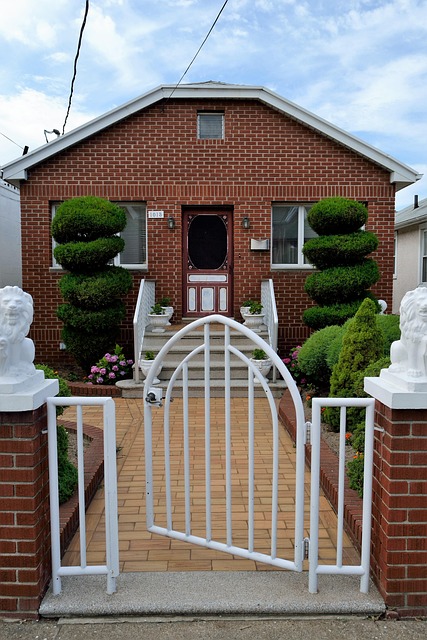
Mortgage insurance is a crucial component for first-time buyers, especially when securing a loan for a home purchase. When considering the various expenses associated with homeownership, understanding and comparing mortgage insurance costs is paramount. This process involves a meticulous evaluation of several factors that influence the overall price point of this protection.
One of the primary considerations is the ratio of loan-to-value (LTV). Lenders typically require mortgage insurance when a borrower’s down payment falls below 20% of the purchase price, as it mitigates risk in case of foreclosure. The cost of mortgage insurance is calculated as a percentage of the outstanding loan balance and can vary based on the lender and the borrower’s creditworthiness. For instance, a borrower with a lower credit score or a larger loan amount might face higher mortgage insurance premiums. It’s essential to shop around and compare offers from different lenders, as rates can differ significantly. A 1-point difference in mortgage insurance cost can translate to substantial savings over the life of the loan.
Lender comparison is a strategic approach for first-time buyers. By obtaining quotes from multiple lenders, borrowers can identify not only the best interest rates but also the most competitive mortgage insurance costs. Some lenders may offer discounts or promotions that could further reduce these expenses. For example, certain government-backed loans or veteran affairs programs might have built-in protections or lower insurance requirements. A thorough lender comparison ensures buyers secure not just a favorable loan, but also one with manageable and transparent mortgage insurance fees. This proactive approach empowers first-time buyers to make informed decisions, ensuring they enter the homeownership journey with a solid financial foundation.
Navigating the Process: Applying for and Canceling Mortgage Insurance

Navigating the process of applying for and canceling mortgage insurance is a crucial step for first-time homebuyers. Mortgage insurance, often required by lenders, protects them against potential losses if you default on your loan. The application process typically involves providing detailed financial information to prove your ability to repay the mortgage. This includes verifying your income, assets, and credit history. Lenders will assess these factors to determine your risk profile and decide whether to approve your mortgage insurance application.
When comparing lenders, it’s essential to consider not just interest rates but also the terms of their mortgage insurance policies. A mortgage insurance lender comparison can help you identify providers offering competitive rates and flexible terms. For instance, some lenders may charge a lower upfront fee but have higher annual premiums, while others might offer more affordable monthly payments. It’s crucial to balance these factors against your long-term financial goals. Once approved, understanding when and how to cancel mortgage insurance is equally important. Many policies become obsolete once you build up enough home equity, typically after paying down 20% of your loan balance. However, policies may vary, so reviewing the terms with your lender is essential before making any assumptions.
Practical advice includes maintaining timely payments and keeping your credit score healthy, as these factors can influence the cost and accessibility of mortgage insurance. Regularly reviewing your policy and staying informed about market changes related to homeownership can also empower you to make informed decisions regarding your mortgage insurance coverage. By understanding these processes and making strategic choices, first-time buyers can navigate the complexities of mortgage insurance with confidence.